Volleyball Serving Accuracy: A Target Practice Plan
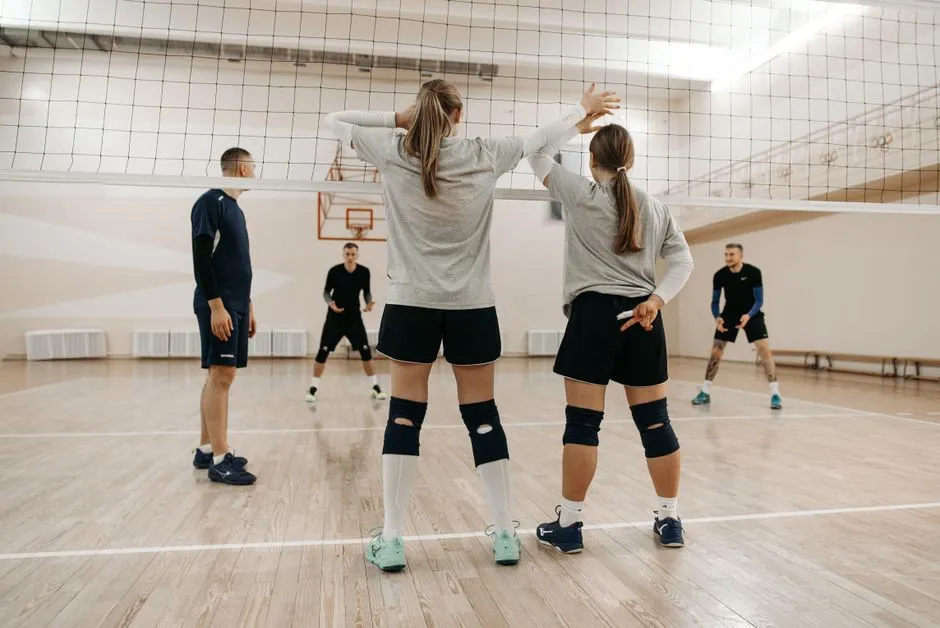
Improve accuracy with one target and a repeatable routine
Volleyball serving accuracy improves when you use the same setup, aim at a fixed court area, and record where each ball lands. Begin at a pace that keeps your motion intact, then add speed only while the target rate remains stable. Practice over a net or safe substitute so the ball flight resembles a real serve.
Accuracy is not merely getting the ball in. It is sending a purposeful serve to a chosen space.
Check the toss before changing the swing
For a standing overhand serve, use a toss that reaches a consistent contact window slightly in front of the hitting shoulder. It should be high enough to complete the motion without chasing the ball, but not so high that timing becomes unpredictable.
Catch obviously poor practice tosses instead of rehearsing a rescue swing. If the toss repeatedly drifts, mark the starting foot position and rehearse toss-and-catch attempts. A coach can adjust the window for the player's serve type and mobility.
Choose visible target zones
Place flat, safe markers on the court: towels, tape outside the playing surface, or other objects that will not create a trip hazard. Start with a generous deep or short zone. A target should be specific enough to score but large enough to produce useful repetitions.
Aim through a window above the net as well as toward the floor. Visualizing the ball's crossing point can make the task more concrete than staring only at a distant corner.
A three-round target practice plan
Round 1: Establish the routine
Choose one target and serve ten balls at controlled pace. Before each serve, use the same short routine: set the feet, look at the target, breathe, toss, and contact. Record in, target hit, and miss direction.
Round 2: Adjust one variable
Serve another ten balls to the same target. Change only the variable suggested by the pattern. If misses follow the toss, work on the toss. If they consistently land long, reduce force or adjust trajectory with a coach's help. Avoid changing the feet, toss, contact, and target all at once.
Round 3: Add a decision
Set two targets and have a partner call one before the routine begins. Serve ten more balls, alternating unpredictably. This adds visual selection without abandoning the repeatable setup.
Thirty serves is a sample session, not a universal prescription. Newer, younger, or returning players may need fewer contacts; conditioned athletes may use more under qualified supervision. Stop when fatigue changes technique or safety.
Score accuracy and usefulness separately
Use a simple log:
| Result | Meaning |
|---|---|
| Target | Ball lands in the chosen area |
| In | Ball clears the net and lands elsewhere in court |
| Error | Ball hits the net or lands out |
Add a note for repeated miss direction. Over several sessions, the log shows whether a change improves placement or merely produces one lucky streak. When accuracy stabilizes, a coach may help increase pace or choose tactically useful seams.
Make practice game-like
Serve from the regulation location used by your team and receive feedback from a passer when possible. A target session can flow directly into serve receive: the server aims for a zone while the passer uses the platform-angle guide to send the ball toward a setter target.
Avoid spending the entire session serving at a wall if it removes the net flight and court depth you need to learn. A wall can support contact practice when space is limited, but transfer the skill to an over-net task as soon as practical.
Train safely and realistically
Warm up with volleyball-relevant movement and easier contacts before full serves. Check that the serving lane and landing area are clear, retrieve loose balls between rounds, and never serve while someone crosses the court unaware. Increase volume gradually.
Stop for shoulder, elbow, wrist, back, or other pain, as well as dizziness or unusual symptoms. Technique advice is not injury treatment; consult a qualified coach and health professional when needed.
More purposeful progressions are collected in Practice Design.
Keep the feedback loop small
Pick a target, use the same routine, record the miss, and change one variable. Serving harder only helps when the ball still carries intent. Build the placement first, then develop the pace you can control.